Intake Program Overview
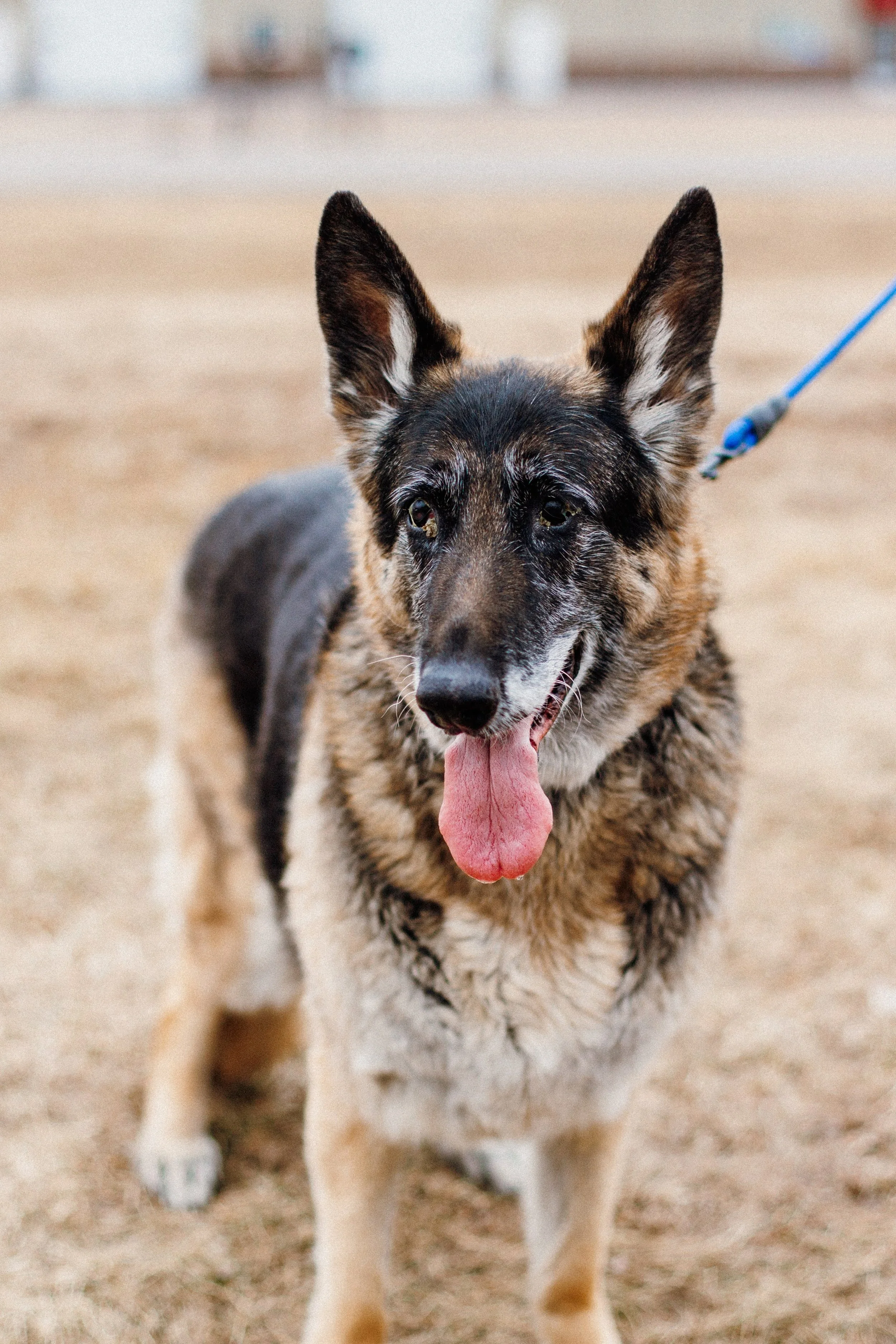
The Intake Program is the heart of Grey Face Rescue and serves as the first step in giving senior animals a second chance. Every intake represents our commitment to compassion, responsible decision-making, and thoughtful placement. Through this program, we evaluate incoming animals, coordinate foster placement, and ensure each animal enters rescue with the support and resources necessary for success.
Because our rescue operates through foster homes rather than a physical shelter, every intake decision must align with current foster availability, financial resources, medical capacity, and organizational standards. Our goal is not simply to rescue more animals, but to provide each animal with safe, appropriate, and sustainable care.
The Intake Program is divided into four primary categories:
1.Rescue Transfers
Grey Face Rescue partners with approved rescue organizations that align with our mission, standards of care, and intake policies. Rescue transfers allow us to collaborate with trusted partners to provide placement opportunities for senior animals in need.
Prior to transfer, veterinary records and relevant behavioral information should be requested and reviewed to help assess medical needs, foster placement requirements, and overall suitability for the program.
2.Owner Surrenders
Owner surrenders occur when a family is no longer able to care for their dog and seeks assistance rehoming them through Grey Face Rescue. Due to limited foster capacity and resources, owner surrenders are accepted only when an appropriate foster placement is available.
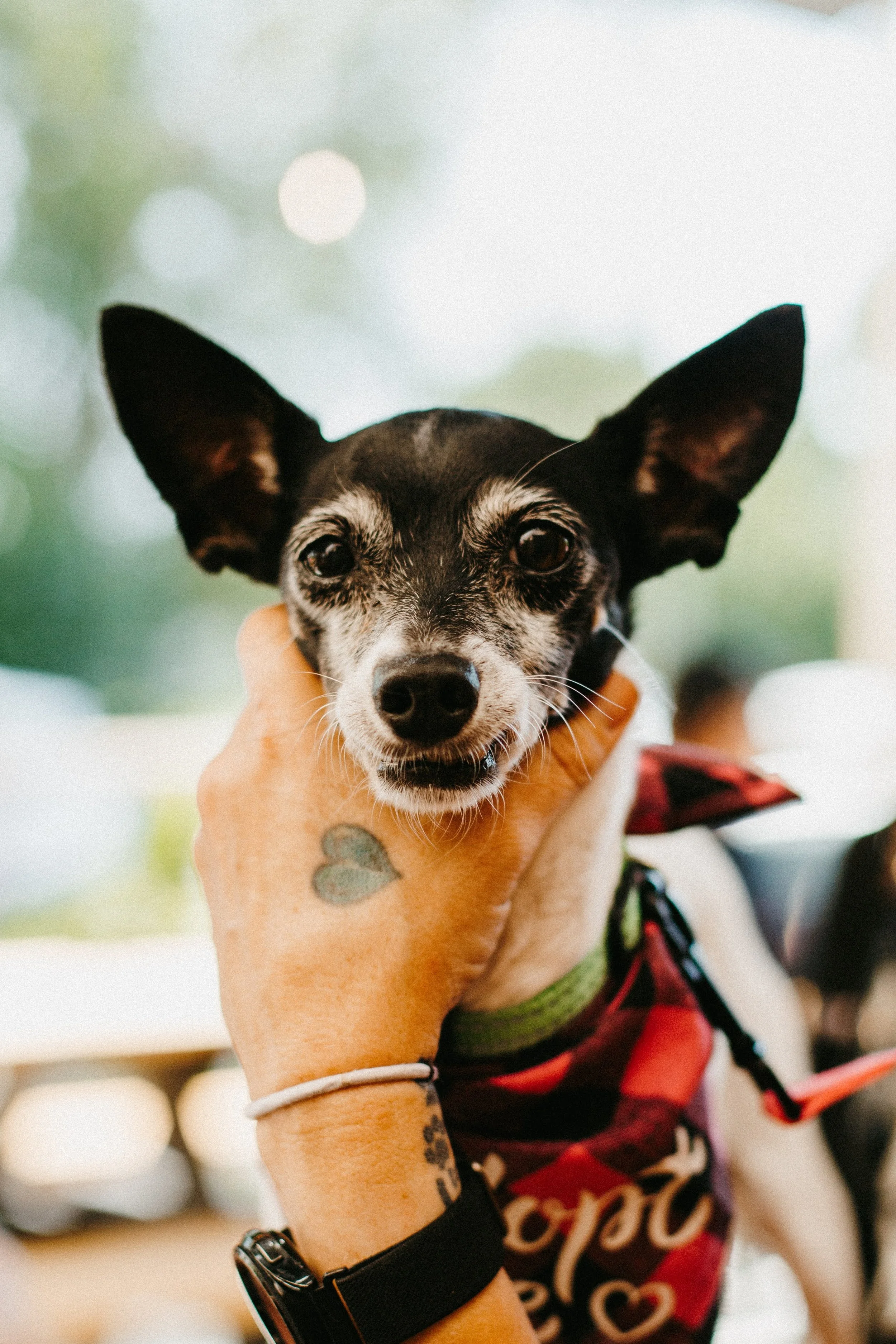
The surrender process is designed to ensure transparency, legal compliance, and the best possible outcome for the animal.
Surrender Requirements
A completed surrender form is required for all owner surrenders.
Owners must legally relinquish ownership of the animal to Grey Face Rescue.
Once surrendered, the decision is final and the animal will not be returned to the previous owner.
Former owners may still apply to adopt through Grey Face Rescue in the future by completing the standard adoption process.
Veterinary & Behavioral Standards
To protect the safety of fosters, adopters, volunteers, and animals in care, Grey Face Rescue maintains strict intake standards. Animals with significant behavioral concerns or bite history are not eligible for intake.
Minnesota State Statutes require disclosure of any bite incidents involving humans or other animals within 10 days prior to surrender.
Grey Face Rescue does not accept:
Animals with a bite history toward humans or other animals.
Dogs that are not social with other dogs.
Cats that do not consistently use a litter box.
Pit Bulls transferred from shelters outside Minnesota.
Animals displaying concerning aggression or unsafe behavioral indicators.
Medical & Intake Expectations
Veterinary records must be received prior to the intake appointment.
Dogs currently taking medications must arrive with a minimum 30-day supply.
Intake appointments are scheduled only on official intake days.
Grey Face Rescue does not provide boarding or temporary holding outside of foster placement.
Surrender Fees & Personal Property
A standard surrender fee of $100 is required prior to intake and processed through ShelterLuv. Fees are waived for animals previously adopted through Grey Face Rescue.
Items surrendered with the dog, including blankets, toys, collars, or beds, become the property of the animal and remain with them throughout foster care and adoption whenever possible.
3.Shelter Transfers
Grey Face Rescue works with both in-state and approved out-of-state shelters to rescue senior animals facing euthanasia, medical decline, or extended shelter stays.
Intake decisions are based on:
Current foster availability
Medical needs and anticipated expenses
Behavioral compatibility
Overall rescue capacity
Shelters are valued partners, but all intake decisions must remain aligned with Grey Face Rescue’s standards, mission, and long-term sustainability. Veterinary records should always be requested prior to transfer to ensure informed placement decisions and reduce burden on foster families.
4.Strays
Although rare, Grey Face Rescue may assist with stray animals when foster space is available. Stray intakes must follow all legal holding and ownership procedures required by Minnesota law.
This process includes:
Contacting local animal control agencies
Scanning for microchips
Contacting local veterinary clinics and shelters
Posting found-animal notices publicly
Completing a required legal hold period
If no owner is located within the legal holding period, ownership transfers to Grey Face Rescue and the animal may then enter the adoption program.
Choosing Animals for Rescue
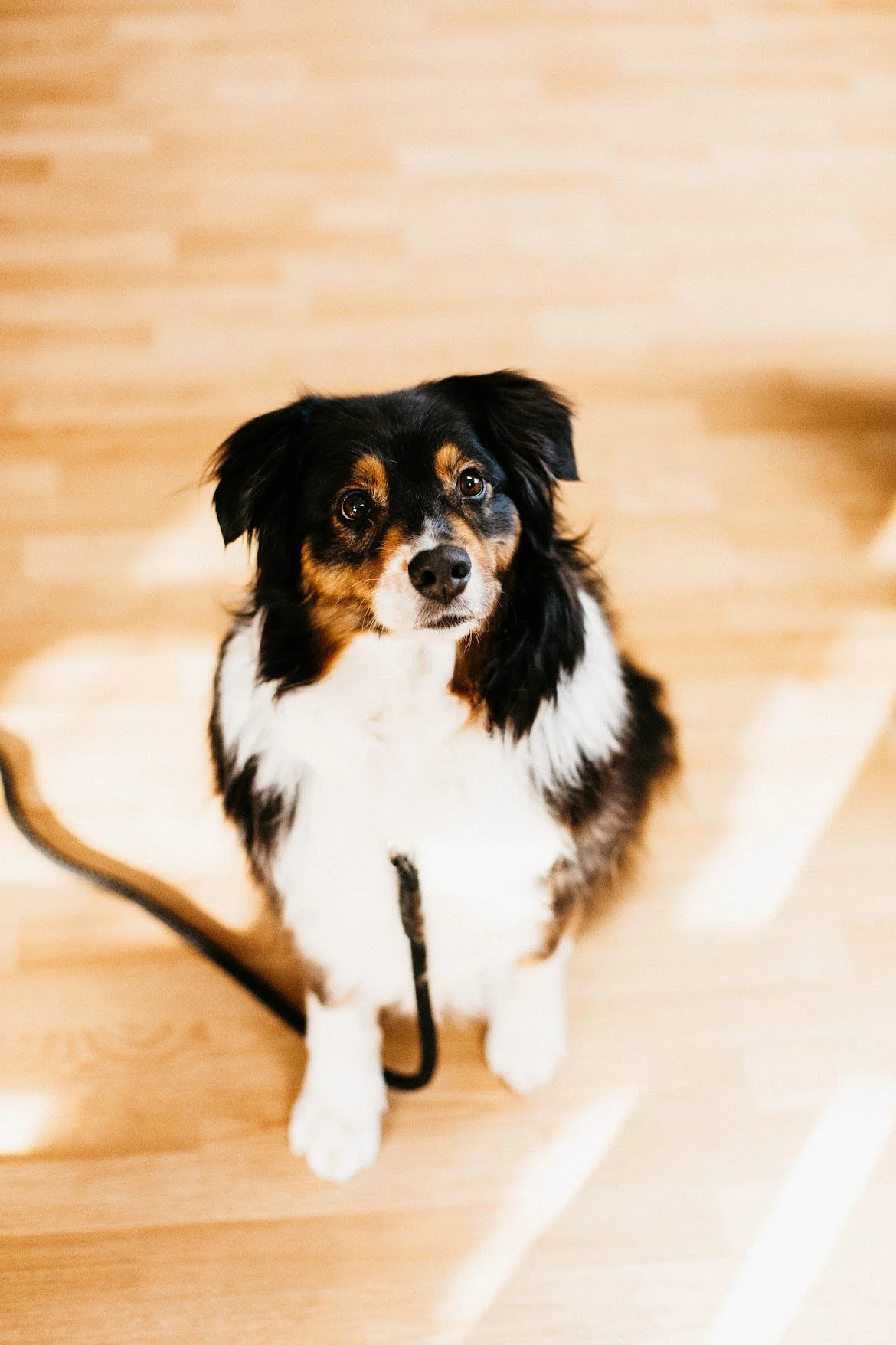
Every intake decision should be made strategically and responsibly. Grey Face Rescue must balance compassion with sustainability to ensure each animal receives the care they deserve.
Factors considered during intake evaluations include:
Foster availability
Current rescue population
Medical expenses and anticipated treatment needs
Breed-specific placement considerations
Adoption trends and placement timelines
Behavioral compatibility and safety
The rescue is not obligated to accept every animal presented for intake. Maintaining strong standards protects the long-term success of the organization, foster families, and animals already in care.
Animals We Do Not Accept
To protect the safety of our foster families, volunteers, adopters, and animals currently in care, Grey Face Rescue maintains intake limitations regarding certain behavioral and medical concerns. While every situation is evaluated individually and compassionately, some animals may not be appropriate for our foster-based rescue model due to safety risks or significant long-term medical expenses.
Grey Face Rescue does not accept:
Animals with a history of aggressive biting that resulted in broken skin.
Animals displaying aggression toward humans.
Animals with documented behavioral concerns that may place foster families, volunteers, or the public at risk.
Animals with medical diagnoses that significantly increase long-term care expenses beyond the organization’s capacity, including but not limited to:
Diabetes
Cushing’s Disease
Chronic urinary conditions or ongoing urinary complications
Animals with severe behavioral or medical concerns that cannot be safely or responsibly managed within a foster home environment.
Behavioral Evaluations
If aggression or concerning behavior is disclosed during the intake process, the organization should gather detailed information regarding the incident, including:
The circumstances surrounding the behavior
Severity of the incident
Whether medical treatment was required
Frequency or history of similar behaviors
Known triggers or environmental factors
The safety of foster families and volunteers must remain a top priority when evaluating intake decisions.
Intake Philosophy
Grey Face Rescue strives to help as many senior animals as possible while remaining realistic about the organization’s resources, foster capabilities, financial limitations, and long-term sustainability. Declining an intake request does not reflect the value of the animal, but rather the responsibility to ensure safe, appropriate, and manageable placements for all animals in our care.
Foster Placement Process
Successful foster placement is one of the most important parts of the intake process. Animals should never be assigned solely based on the first available foster home. Instead, placements should prioritize compatibility, environment, experience, and the individual needs of the animal.
Placement considerations include:
Breed traits and activity levels
Medical or behavioral needs
Foster experience and household dynamics
Current foster capacity
Long-term placement success
The Intake Team and Foster Team should work collaboratively to ensure fosters are informed, prepared, and supported prior to placement.
Transition Into Foster Care
The Intake Team remains involved during the initial transition into foster care to help ensure both the foster family and the animal feel supported.
During the first few days:
Communication should remain encouraging and supportive.
Foster concerns or uncertainty should be addressed proactively.
Placement decisions should be reinforced with thoughtful explanation and reassurance.
Communication should transition smoothly to the Foster Team or Foster Manager for ongoing support and follow-up.
A positive intake and transition experience helps create stronger foster relationships, improves placement stability, and ultimately leads to better outcomes for the animals in our care.